


Table of Contents
Teacher voices carry weight with other teachers.
In a crowded market, a single trusted educator talking about your product in their own words can add huge weight to your marketing strategy.
But working with influencers in education is not quite the same as lifestyle or consumer campaigns.
You’re dealing with busy professionals, safeguarding rules, school policies, and an audience that spots inauthenticity a mile away.
A simple “work with a teacher influencer’ workflow you can copy
Everything is explained in this article but if you want to just dive in here’s a basic process you could adopt as an edtech or education brand:
- Define your campaign objective, audience, timeline, budget.
- Build a long list of 30–50 potential creators across platforms.
- Score and shortlist 10–15 using the checklist.
- Deep-dive due diligence on the top 5–10.
- Approach 3–6 with warm, tailored messages.
- Hold chemistry calls, co-design concept, agree deliverables and fees.
- Sign contracts, give product access, share brief and guidelines.
- Content creation, review, and posting.
- Amplification, paid if relevant.
- Collect and analyse results; debrief with creators; agree next steps.
Run this once as a pilot, learn from the results, and then build it into a layer of your wider marketing mix.
This is a fair amount of work, but can be very worthwhile if done properly. We can handle this process as part of a campaign – just get in touch to find out more👇
We’ve delivered marketing success for 100s of companies that sell to schools.
Do you want to be next?
Choose the right influencers
Not all influencers are equal. The teachers who actually move the needle aren’t always those with the biggest followings. They’re the ones with loyal, trusted communities who engage with what they share.
SproutSocial talks about nano, micro, macro, and mega influencers.
We think their follower count brackets are more aimed at the consumer brand and celebrity sector, so we’ve revised the brackets down to something more realistic.
- Nano (up to 500 followers)
- Often highly niche: a local primary teacher, a SEND specialist, a maths lead in one region.
- Tight, loyal communities, strong comments, and DMs.
- Great for targeted trials or specialist products.
- Micro (500–1k followers)
- Often the sweet spot.
- Big enough to be influential, small enough to stay close to their audience.
- Lots of classroom-based content, tips, and resources.
- Macro (1k–10k) and mega (10k+)
- Teacher “celebrities”: classroom humour, CPD presenters, podcast hosts, bestselling authors.
- Great reach across the sector, sometimes beyond teachers into parents and students.
- Higher fees, less time, but strong halo effect for your brand.
The different types of teacher influencers on each major platform
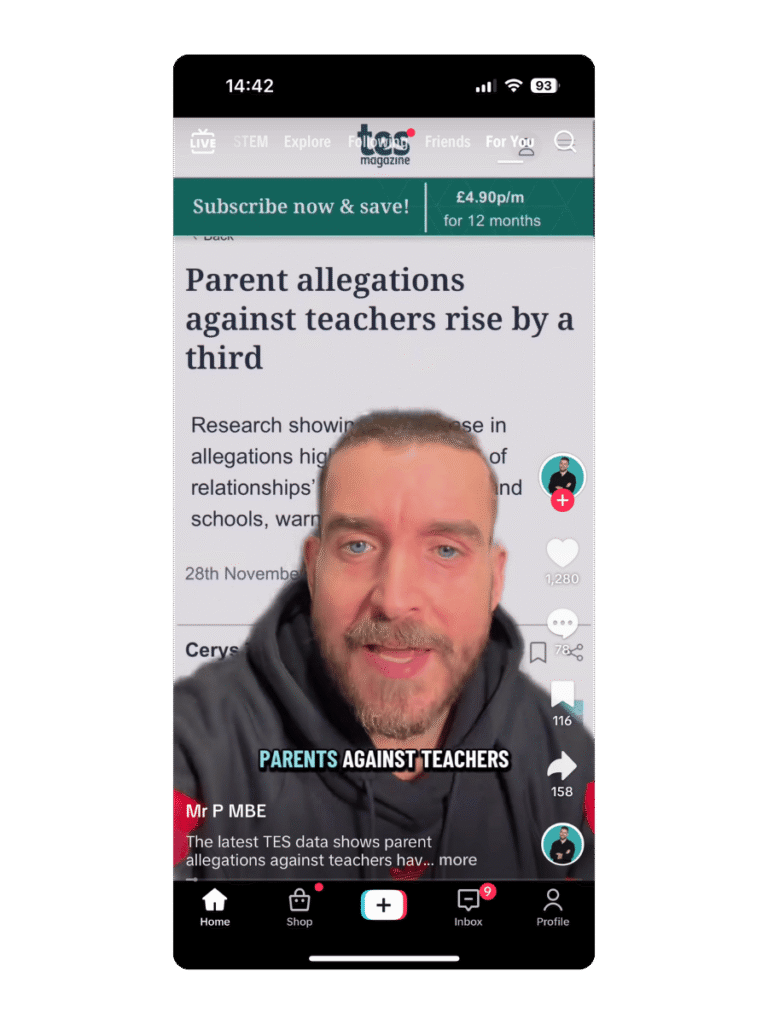
This is over-simplifying (and there’s lots of over lap of course and creators may cross post) but broadly speaking you’ll find these types of content on these channels:
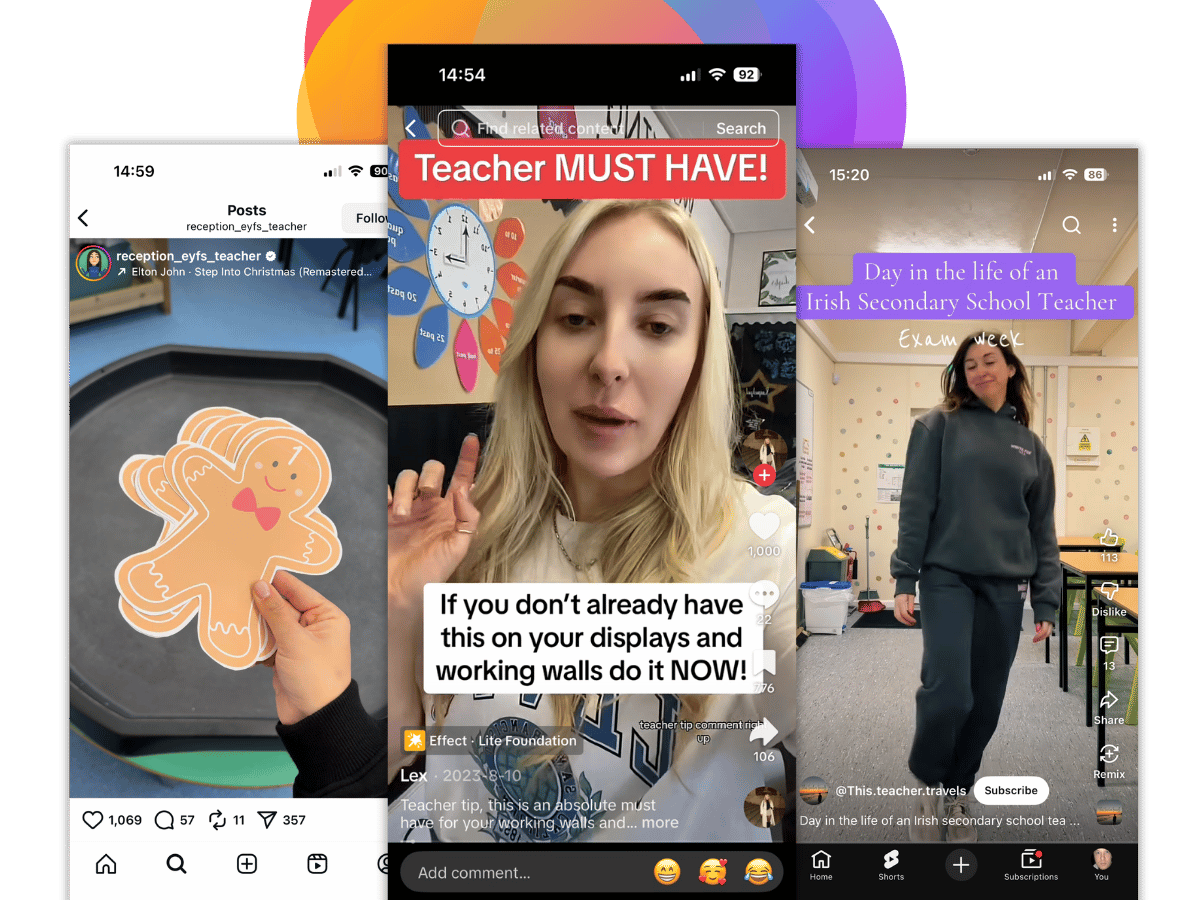
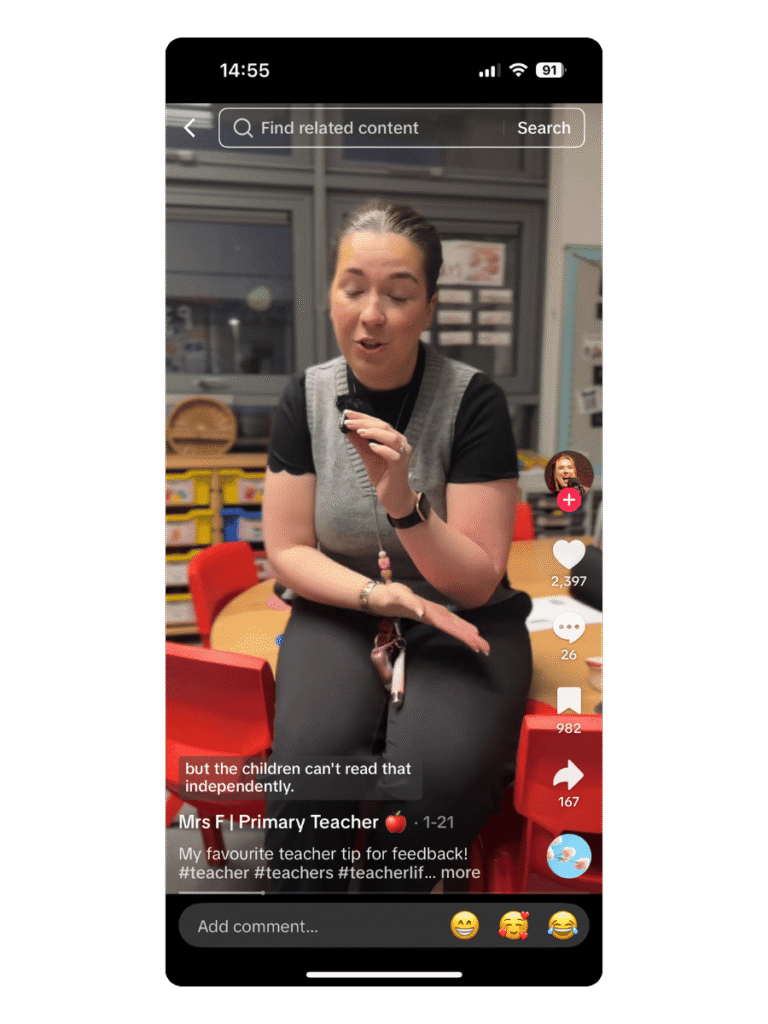
- TikTok: “day in the life”, classroom humour, outfit posts, quick hacks, parent life, SEND and inclusivity, international teaching.
- Instagram: grid-worthy displays, resources, lifestyle, wellbeing, brand partnerships.
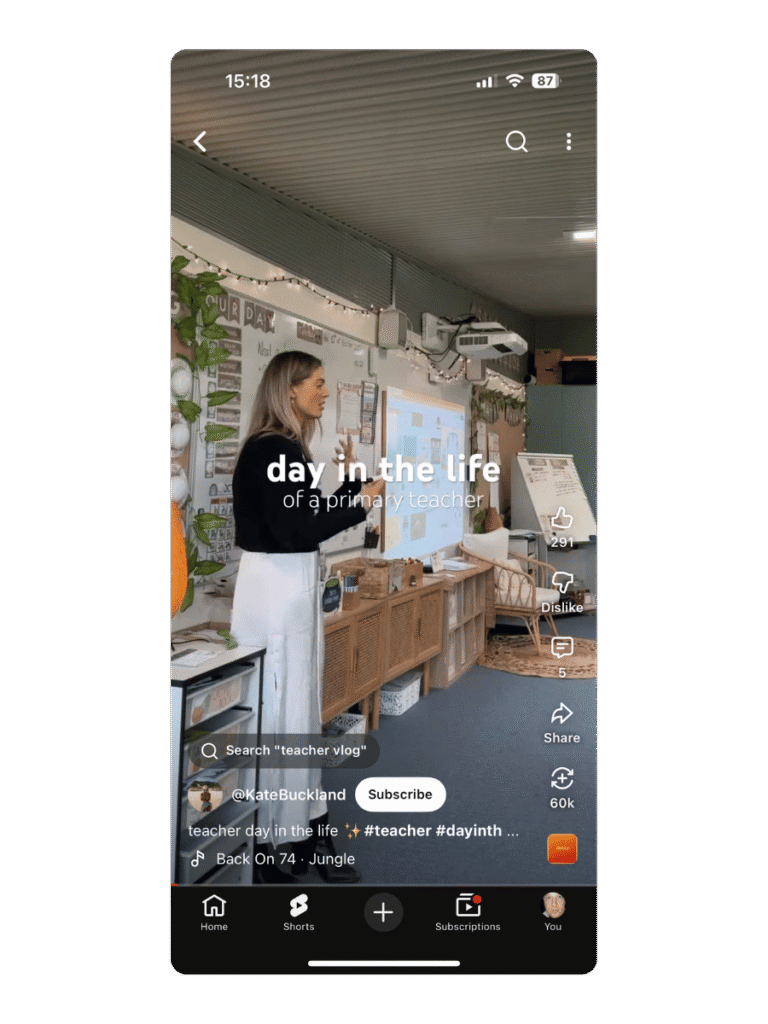
- YouTube: longer CPD, tutorials, edtech walkthroughs, lesson vlogs.
- X / LinkedIn: policy commentary, leadership perspectives, research, thought leadership.
Match the platform and creator style to your campaign
A jokey TikTok teacher may not be the person to front a serious safeguarding product webinar, and a policy-heavy commentator may not be the right choice for “cute classroom resources”.
In education, it’s usually the nano and micro voices that have the most impact.
A teacher with a few thousand followers who regularly shares lesson resources can be more influential than a celebrity-style account with tens of thousands of passive likes.
The key is to match your niche. A KS1 maths tool will land better through an early years specialist than through a general “teachergrammer.”
SEND content will resonate more via a DSL or consultant than a broad education commentator.
And before you shortlist influencers, be clear about your goals. Are you trying to build awareness, generate sign-ups, or drive actual sales? Your KPIs should shape who you collab with.
Rule of thumb
- If you have a £1000 product that needs weight and heft in marketing to senior leaders, go deep and vertical with an influential figure with a respected edu voice to make you more credible/trustworthy
- If you have a sub-£100 product then go wide and shallow – strategically collaborate with popular teacher influencers on social channels
How to find education influencers
The biggest mistake your marketing team could make is treating influencers like billboards.
Educators aren’t often interested in pushing out pre-packaged promo copy.
A better approach is to invite them into the creative process. Give them early access to your ideas or resources and ask for feedback. Show that their expertise matters.
Instead of saying “please post about us,” co-create something that plays to their strengths. For example, if your product helps improve attendance, ask them to share their best tutor-time tip, then weave your tool naturally into the story.
Build your influencer database
Build a long list
- Search relevant hashtags like #edutok, #ukteacher, #teacherlife, #primaryteacher, #senteacher, #edtech, #GCSEmaths, #teachergram, #Alevel etc.
- Start with known names e.g. classroom CPD figures, education podcasters, book authors and look at who they follow and interact with.
- Look at existing users of your product. Who’s already posting about you organically? Even better, are any of your customers posting?
- On a call with an enthusiastic customer? Ask! “Which other teachers do you follow or trust online?”
Time to flex those spreadsheet muscles. Capture:
- Handle and platform
- Phase/subject/specialism
- Approx followers and engagement
- First impressions of tone and values
Shortlist using a clear checklist
For each potential partner, ask:
- Audience fit
- Are they talking to the people you want to reach?
- Do their comments and followers look like real teachers in your region?
- Content fit
- Does their style feel compatible with your brand? Serious, funny, critical, reflective?
- Would your product feel natural in their feed?
- Engagement quality
- Ignore one viral post. Look at the last 10–20 pieces.
- Are comments thoughtful, or just emojis and “so true”?
- Do they reply, ask questions, have real conversations?
- Values and risk
- Are they openly political, combative, or involved in ongoing controversies?
- Are there any safeguarding red flags?
- Do they already work with direct competitors?
- Professionalism
- Do they post consistently?
- Do they already disclose partnerships in a clear, compliant way?
- Do they treat teaching with respect, even when they’re critical of the system?
Score each creator against these points and prioritise the ones that tick most boxes.
Make it easy for them
Even the most enthusiastic teacher will stall if the process feels like homework. The more friction you remove, the better the collaboration.
Simple media kits with campaign hashtags, logos, and example posts can help, as long as you encourage them to keep their own voice.
Canva frames, ready-made templates, or short video prompts can save time without forcing a particular style.
Do your due diligence
And in education there’s another layer: safeguarding. Be clear upfront about what’s safe to share and what boundaries you need to respect.
Working with teachers is not the same as working with lifestyle influencers. You are operating in a sector with:
- Children’s data and identities.
- School policies on social media, external work, and advertising.
- Unions, professional standards, and safeguarding regulations.
Before you approach anyone:
- Check their content for safeguarding practice:
- No identifiable pupils shown without explicit, visible consent.
- No inappropriate conversations with students in comments.
- No sharing of sensitive school information.
- Look at how they talk about brands. Do they disclose clearly with “ad” or “paid partnership”?
- Google their name + school + “Twitter”, “news”, “controversy”. Just to be sure!
- Consider your own risk appetite. Some brands are happy with spikier voices; others need “steady and safe”.
If you’re working with teachers who are still employed in schools, they may need to clear activity with their headteacher or MAT.
How to approach a teacher influencer
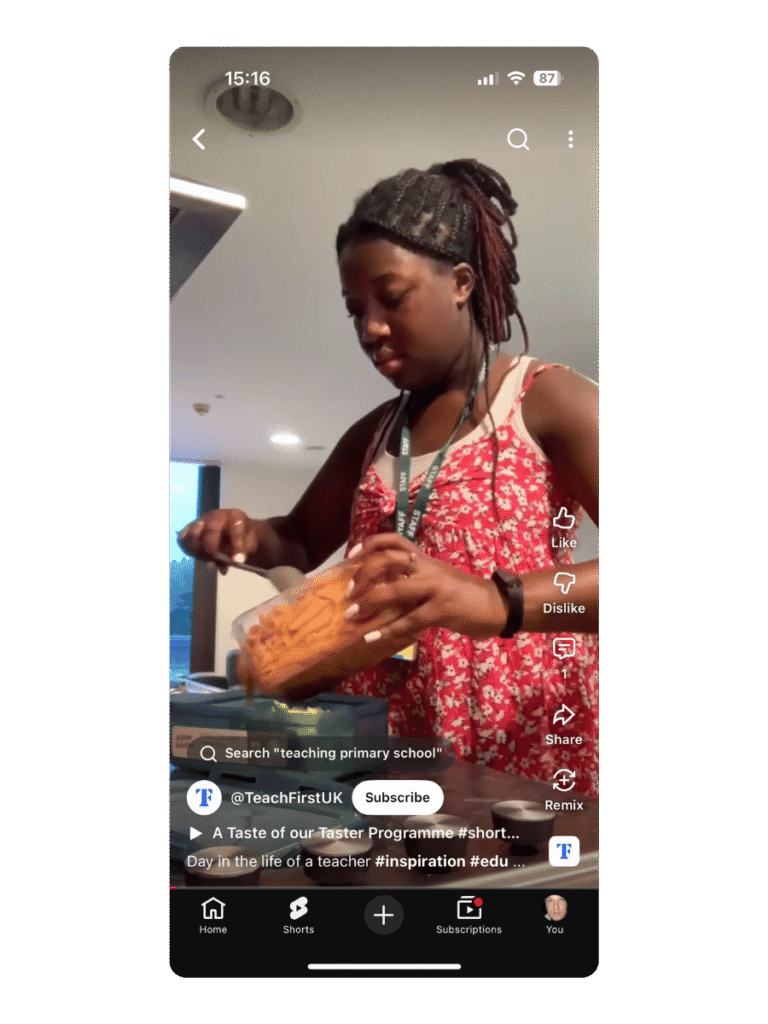
Approaching an educational influencer isn’t like booking an ad slot. They’re not media channels.
Start by doing your homework. Ask your marketing team to follow them, comment thoughtfully, and share their posts.
Show that you understand what they talk about and who their audience is. Make sure they’re in the right niche before you reach out.
Send a short, specific message
When you do, keep it short and personal.
A message that references something specific they’ve shared will land better than a copy-and-paste pitch. Explain why they, not just any influencer, are the right fit.
Rough pattern:
- One sentence showing you know who they are and what they do.
- One sentence on what your product does and who it helps.
- One sentence on why you think they’re a good fit and an idea for how you might work together.
- A clear next step: “Would you be open to a 20-minute call?” or “Shall I send a one-pager so you can see if it’s of interest?”
Make it clear that:
- You respect their time.
- You’re open to their ideas, not just your own plan.
- You expect to pay for their work.
Offer:
- Early access to your product.
- A say in how you position the campaign.
- A chance to develop their own profile (for example hosting a webinar, speaking on your stage, co-writing a resource).
The best teacher influencers become ambassadors and colleagues you collaborate with year after year.
How to compensate educational influencers
Budget is also worth addressing.
Influencers at different levels might expect different kinds of compensation, and you shouldn’t underestimate the resource cost.
Payment doesn’t just cover the post – it covers revisions, feedback, and often the prep work behind it. Agree expectations early to avoid friction later.
Here are some compensation ideas you could try:
- Flat fee per deliverable
- Simple and predictable.
- Often tiered by follower size and content type (video vs static).
- Campaign package
- A set fee for a bundle: for example 3 Reels, 5 stories, 1 explainer video, 1 live Q&A.
- Good when you want repetition and different angles.
- Affiliate / tracked links
- Unique link or code to track sign-ups or sales.
- Often combined with a smaller flat fee so they’re not taking all the risk.
- In-kind / gifted
- Free access to your platform or CPD for their school
- Works best when the product is high value to them and time required is low.
- Less appropriate for repeat or heavy-lift collaborations.
Whatever you agree:
- Put it in writing with a simple contract: deliverables, timings, fee, payment terms, disclosure expectations, cancellation clauses, and usage rights.
- Pay promptly. Word travels fast in teacher communities.
Licensing is key: if you want to reuse their content on your own channels or in paid ads, that needs to be agreed explicitly with duration and territories.
Measuring the impact of working with an educational influencer
Likes are not useless, but they’re not the whole story.
Awareness
- Views and reach across the influencer’s content.
- Unique viewers where the platform provides it.
- Increases in branded search, direct traffic, and social mentions during the campaign period.
Engagement and resonance
- Comments that show genuine interest or reflection.
- Saves, shares, stitches, duets, and quote tweets.
- Clicks through to your content from their posts.
- Screenshots of staffroom WhatsApp chats or Facebook group shares (sometimes creators will share this contextually).
Action
- Sign-ups, demo bookings, trials started using a unique link or code.
- Prospects that mention having “seen you on TikTok/Instagram” in discovery calls.
- Revenue attributed to those tracked actions.
Review outcomes with the influencer. Ask what they saw in their DMs or at events. Use that feedback to refine the next collaboration.
FAQs about working with education influencers
How much do education influencers charge?
It varies by niche, audience, and deliverables. Micro creators might charge low hundreds per post series; more established voices can reach several thousand. Always ask for a rate card and negotiate based on scope.
If a teacher loves your product they may be open to reviewing it on their channel but you should still do the right thing and listen to their expectations.
Do we need a contract?
Yes. Influencer work touches safeguarding, authenticity, and brand reputation. A simple contract protects both parties and clarifies expectations.
Can teachers get in trouble with their school for doing this?
Not usually, but some schools and MATs require staff to disclose partnerships. If in doubt, encourage influencers to check internally before filming on-site.
Do we need to follow ASA advertising rules?
Yes. Any paid or incentivised content must be clearly marked as an ad. Influencers might already know this, but you are responsible too.
What platforms are most effective for teachers?
TikTok and Instagram for classroom-facing content. YouTube for tutorials and CPD. X and LinkedIn for leadership and policy audiences. Pick based on your target role.
How many influencers should we work with?
It depends on your goal. For credibility-led campaigns, one strong partner may be enough. For wide awareness, multiple micro creators often outperform one big name.
Working with education influencers isn’t a shortcut to instant success (if only it was that easy).
It’s a way of reaching teachers where they already are and earning attention through voices they trust.
When you choose the right creators the aim should be to build relationships. And, done right, that creator might make the difference between being noticed and being chosen.